

June 6, 2023
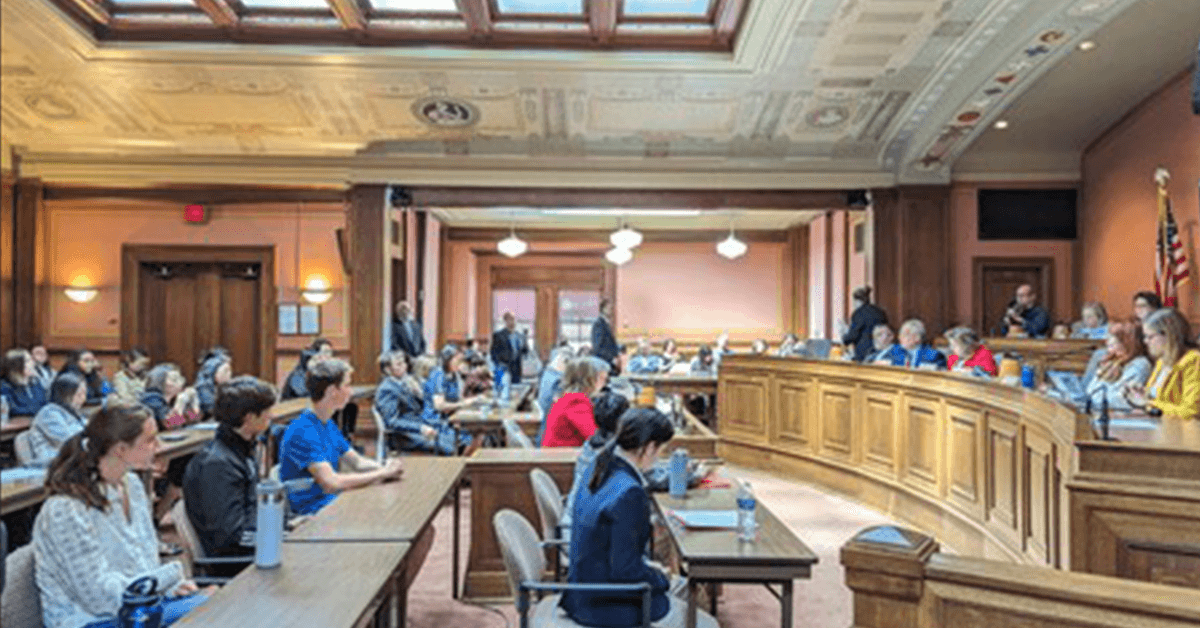
On May 25, 2023, Wisconsin made history by holding the first public hearing for a bill that aims to teach Hmong American and Asian American history in schools. People from different races and backgrounds gathered in State House Room 417N for a public hearing, traveling from Eau Claire to Milwaukee, Green Bay to La Crosse. It was a significant moment as individuals of all ages, from young children to elders, made their debut in a public hearing. For Asian Americans, it required immense courage and personal growth to overcome cultural barriers and advocate for their beliefs.
In 1988, Wisconsin passed ACT 31, which mandated schools to teach about human relations, including American Indians, Black Americans, and Hispanics. However, Asian American history was initially excluded due to tensions over hunting rights between White Americans and Hmong Americans. Lawmakers promised to amend ACT 31 and include Asian American history within two or three years.
In 2021, a milestone was finally reached: The bill gained bipartisan support for the first time even though the effort to turn the tide was meager. On May 25, 2023, Assembly Bill 232 finally got its first public hearing more than three decades later.
The lead coauthor of the bill, Rep. Patrick Snyder (R-Schofield) was the first to testify. He shared a brief Hmong American history. During the Vietnam War era, the Hmong played a significant role in assisting the American military as part of the CIA-led Secret War, conducting guerrilla warfare, and aiding in intelligence gathering. As a result, Hmong communities suffered heavy losses and faced targeted persecution after the war due to their alliance with the United States. Therefore, a significant number of Hmong people were forced to flee Laos as refugees. Beginning in the late 1970s and throughout the 1980s, Hmong refugees resettled in various countries, including the United States. Today, the third largest Hmong population resides in Wisconsin.
The first Asian American lawmaker in Wisconsin, Rep. Francesca Hong, testified that Asian American history is American history. It is a disservice to teach our children an incomplete history.
Emilio De Torre, the Executive Director of the Milwaukee Turners at Turner Hall, used a metaphor to explain it further, “Teaching an incomplete history is like missing notes in a song. It sounds wrong, everyone winces. We have a chance to do better. There are nearly 200,000 Asian Americans in Wisconsin. That’s a lot of notes to miss.”
“Asian Americans are among the highest earning and youngest residents in the state. They are an economic and cultural powerhouse who contribute to every level of our communities, and by pretending they don’t exist, or worse still, by devaluing their lives by intentionally not teaching about their many contributions, we wound them, and we wound ourselves.” Emilio continued passionately.
Eau Clair school district president of the Hmong PTA, Caitlyn Lee, demonstrated a strong social and political awareness and movement in the Hmong community through her testimony. The Hmong Parent-Teacher-Association was created to address the invisibility of Hmong people in American society AND to validate their children’s lived existence as Hmong Americans. Therefore, they don’t need to constantly justify their rights to be here after thousands of Hmong sacrificed their lives during the Secret War.
Rayyang Gorman, a seventh grader, echoed Lee’s sentiments as he shared his own experience. He recounted how he had rejected his birth name, “Rui-yang,” due to constant mispronunciations by friends and teachers. His name holds the meaning of “Auspicious sun” in Mandarin. “Now after hearing so many people’s testimonies and reading the legislation, I want to fully embrace my Asian heritage and my beautiful name,” he said with confidence and sincerity.
The youngest testifiers were two sets of siblings from J. K. Lee Black Belt Academy. Nine-year-old William Dicks told the legislators ever since he started taekwondo, he learned the value of respect in the Asian culture. “I also developed better self-discipline through my taekwondo practice,” his sister, Abigale added.
Nine-year-old Natalia Holcomb shared with everyone how welcoming Asian families had been to him. She expressed that she had made many friends within the Asian community and emphasized the positive experiences she had with them. “All kids should get to see themselves represented in history to foster a more successful community for the future,” her eleven-year-old brother, Logan, emphasized.
Angela Wang, a high school freshman, closed her testimony with, “The opportunity to give us a safe place to live and thrive is in your hands. The very opportunity to create a loving and harmonious community for all of us living in is also in your hands.”
Legislators displayed a warm and receptive attitude during the hearing. The chairman, in particular, showed encouragement and support towards the children present. Although the hearing proceeded smoothly in the Assembly, it was just one of the many significant milestones that must be accomplished in the lengthy process of passing a bill and turning it into law.
“AB232 not only fills in the blanks of our past, but it also looks to build a better future for all of our children. We are hopeful that this bill will move successfully through the legislative process,” Hong stated in her press release.
Yes, Wisconsin (and the rest of the country), let all of us work hard to achieve that goal for all of our children.
Opening image credit: (Baylor Spears | Wisconsin Examiner)
You may also enjoy reading more articles written by Haiyun Lu for Intrepid Ed News.